Thank You for Joining Us
Thank you to the working group members who participated in the Theme #3 Working Session for the Roselawn Neighborhood Plan.
This meeting focused on improving safety, health, and everyday quality of life in Roselawn — including making streets and public spaces safer, providing more parks and community facilities, supporting youth and community programs, and strengthening overall neighborhood well-being.
We also want to thank the city departments who joined the session and helped answer questions, share resources, and support our discussion.
- Department of Community and Economic Development (DCED)
- Parks (Planning & Design + Urban Forestry)
- Department of Transportation and Engineering (DOTE)
Next Meeting:
Thursday 30 April 2026 6:00 pm to 7:30 pm
Theme #4 Working Session
Join us at Roselawn Condon School in the Auditorium to talk Implementation and how we can turn your ideas into action — including partnerships, funding, leadership, and next steps to move Roselawn’s neighborhood plan forward
Meeting Summary
What We Discussed
Participants worked as a group to share ideas and identify potential projects.
We focused on two main topics:
Major Talking Points:
- Funding remains a key barrier across multiple initiatives, including the ROCURC garden, greenspace improvements, and redevelopment efforts
- Urban forestry programs and streetscape enhancements are seen as critical tools to improve neighborhood aesthetics, increase canopy coverage, and create a stronger sense of place
- TIF Districts present opportunities for financing, but require further analysis of project costs and feasibility
- Additional funding and implementation tools, such as NBDIP grants and partnerships with the Port Authority, should be pursued
- There is a need for a comprehensive greenspace and connectivity plan, including coordination of pocket parks, trails, and pedestrian infrastructure
- Community amenities such as a potential community center and expanded recreation programming are important for neighborhood vitality
- Brownfield redevelopment, particularly along Section Road, remains a priority and requires continued coordination with the Port Authority
- Key corridors like Summit Road and Reading Road require targeted investment to address walkability, safety, and connectivity issues
- Prioritization should focus on high-impact areas and reconnecting fragmented parts of the neighborhood
- Coordination with broader plans and projects (Evanston Plan, BRT, DOTE, ODOT initiatives, and potential institutional investments) is essential to align efforts and maximize impact
Project Ideas
Working Group's Project Ideas
Everyone was given a packet of project examples and "conversations starters" to get the discussion going, which you can view here: Discussion Packet
Here is a consolidated list of ideas the group came up with:
Parks, Safety, & Connectivity Projects
Most of the discussion focused on key opportunity sites and future planned projects, such as Port-owned properties and Mill Creek Triangle Trail, to explore for new parks, community spaces, and improved connections across the neighborhood. Participants also emphasized the need for better sidewalks and safer routes, especially along corridors like Summit Road and Eastlawn.
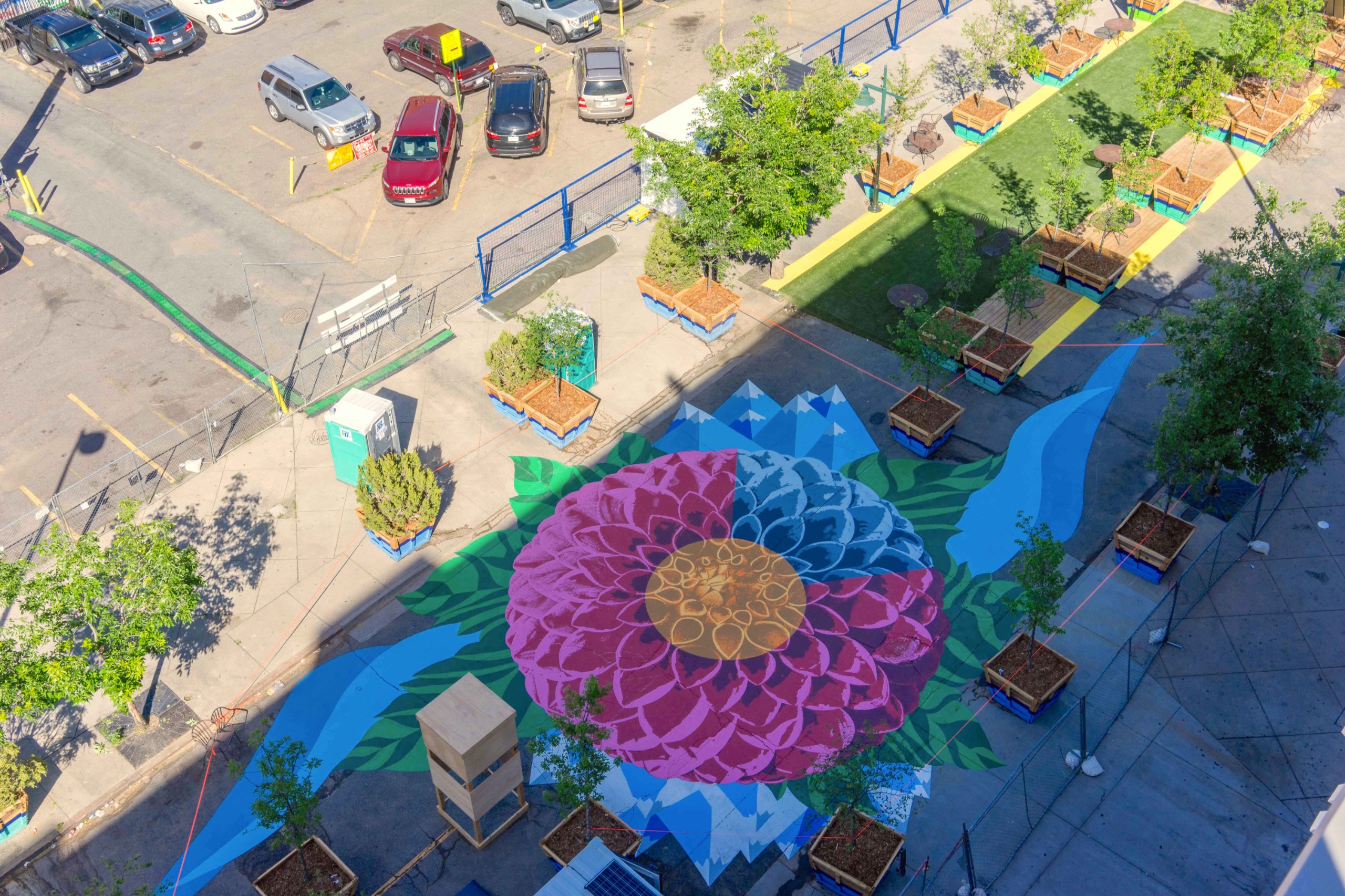
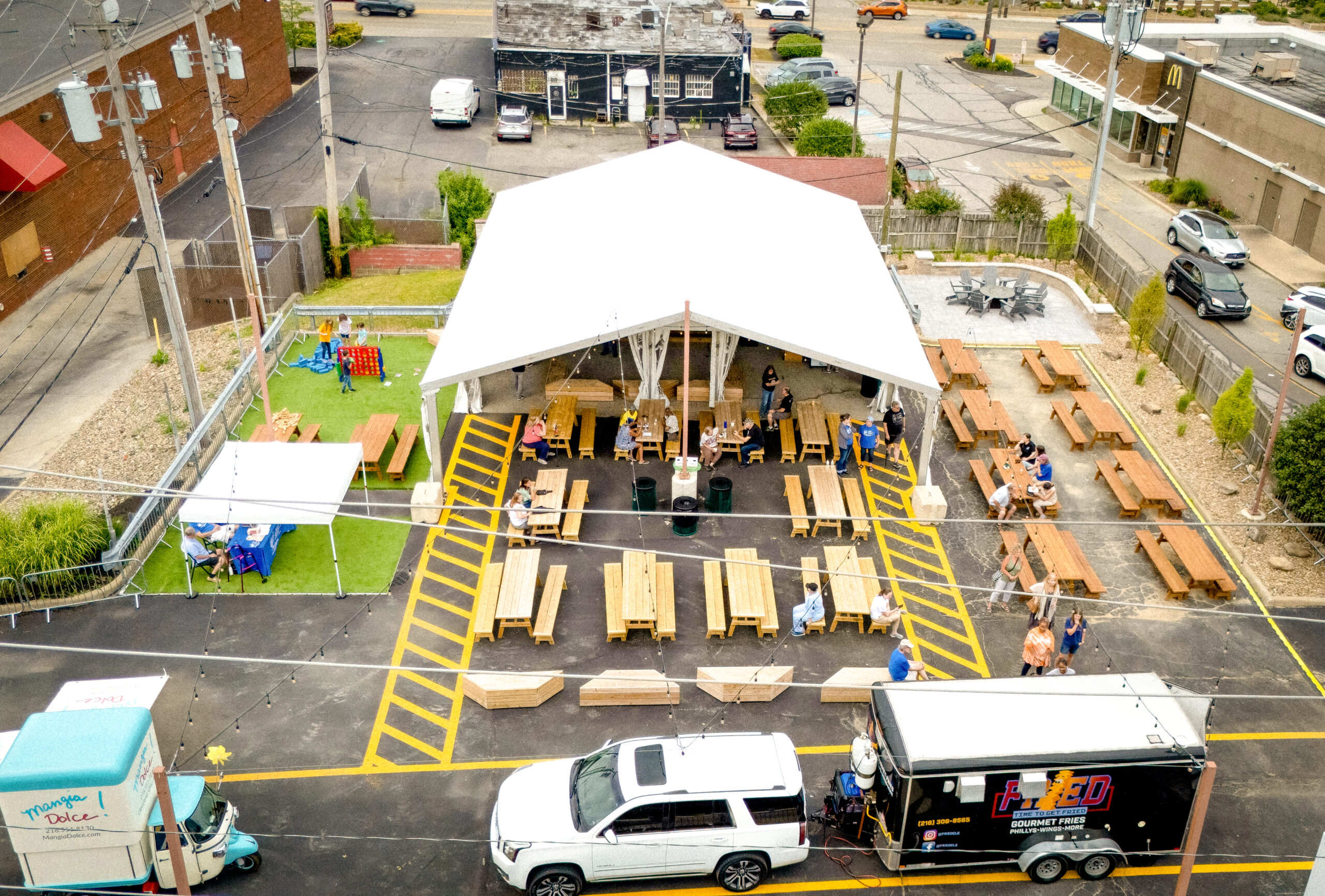
- Activate Key Opportunity Sites through temporary uses such as pop-up parks or gathering spaces at locations like Section & Reading while long-term development plans are explored
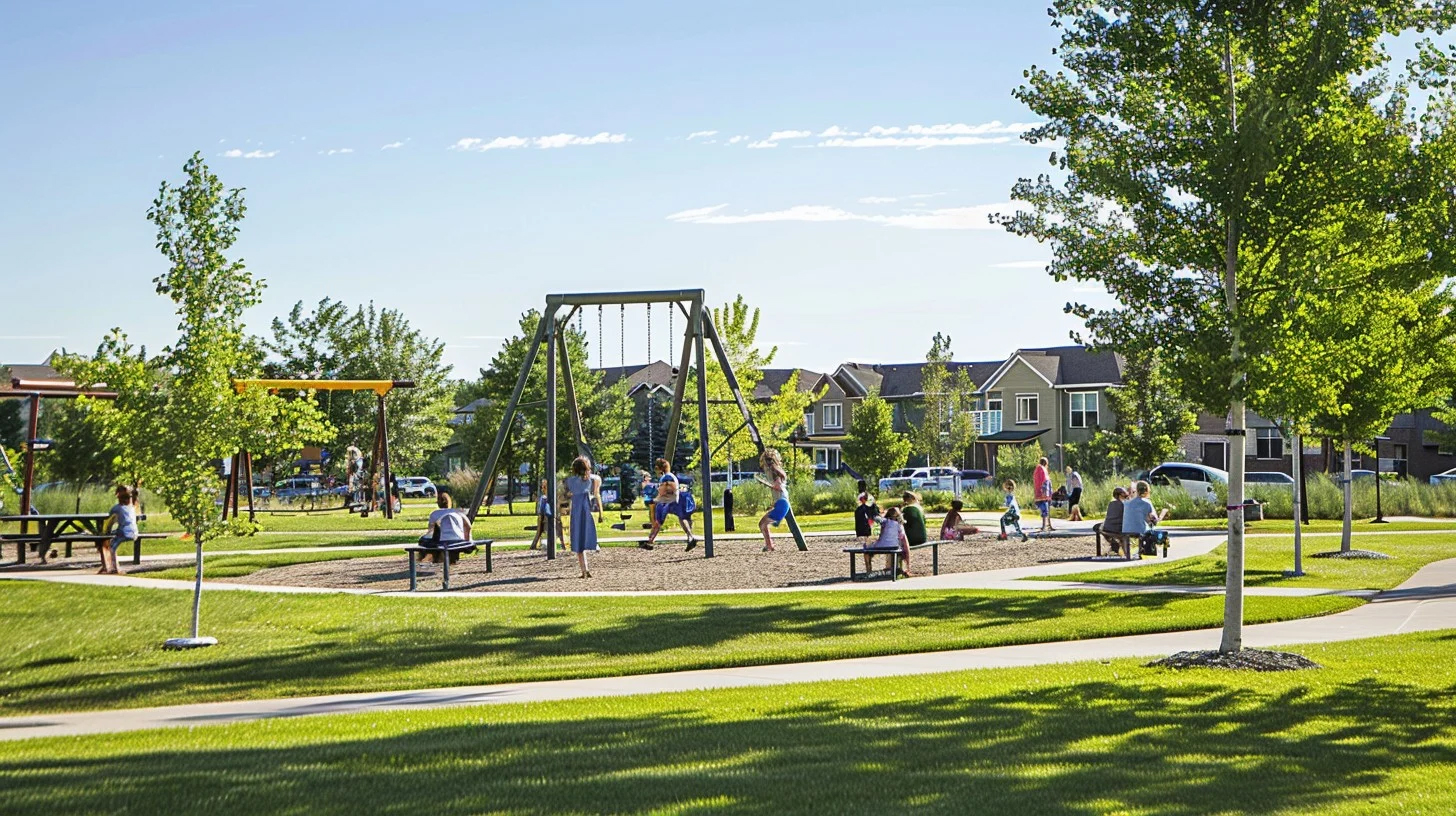
- Develop a Greenspace & Connectivity Plan identify priority park, trail, and streetscape improvements to guide how they are connected into a cohesive network across Roselawn and surrounding neighborhoods
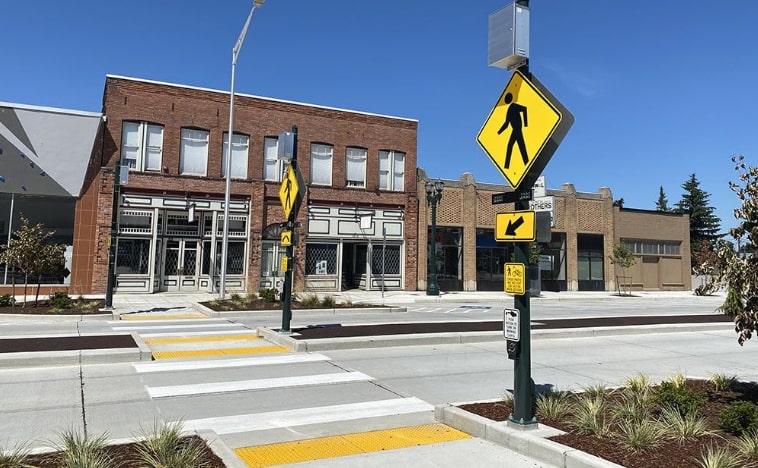
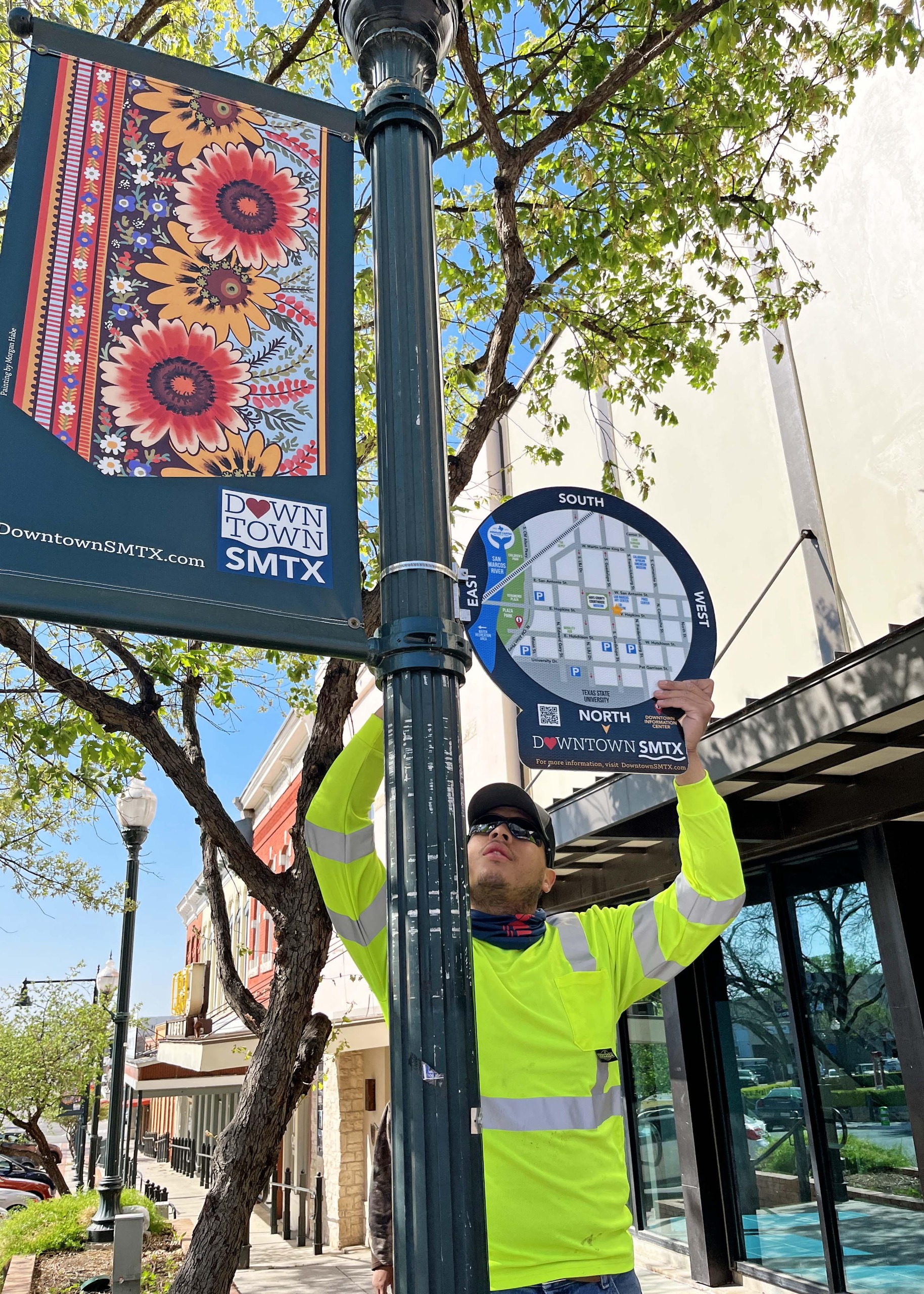
- Improve Key Corridors & Streetscapes to repair sidewalks, address safety concerns, and add clear wayfinding to better connect schools, transit, parks, and the business district
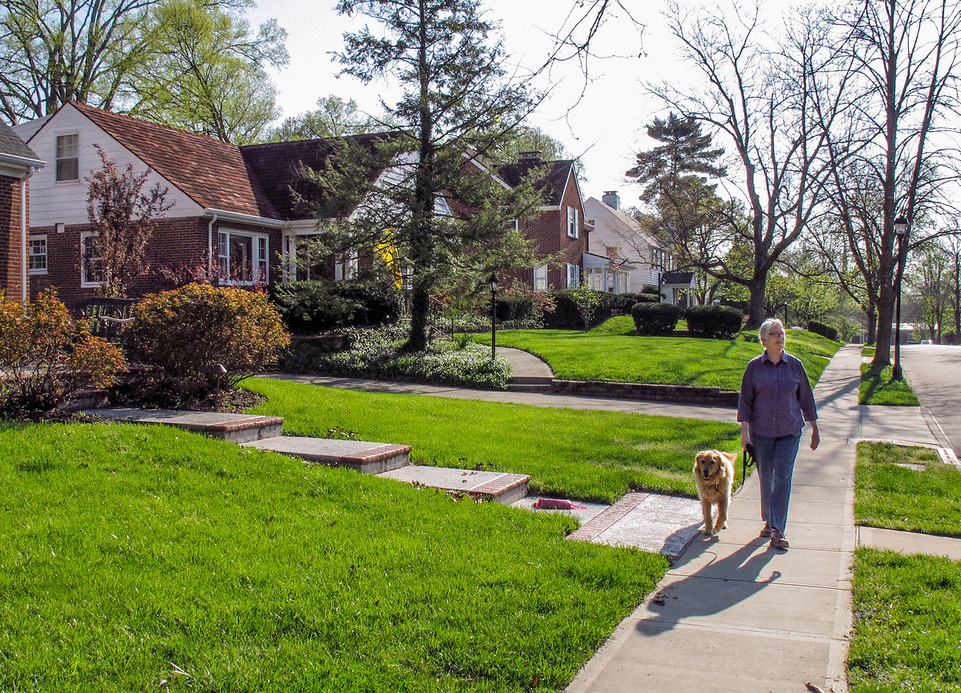
- Expand Urban Forestry Efforts to plant more trees, increase canopy coverage, improve aesthetics, and create a cohesive network of shaded, greener streets and public spaces throughout the neighborhood
- Conduct a Community Facility Feasibility Study to evaluate options for a recreation center or shared community space, including location, partners, and funding
- Leverage Funding Districts & Partnerships to align TIF resources, grants (such as NBDIP), and Port partnerships to support priority projects